
Category

Child Love Language Tools for Trusted Adults
The concept of Love Languages, popularized by Dr. Gary Chapman, suggests that individuals express and experience love differently: words of affirmation, acts of service, receiving gifts, quality time, and physical touch. Understanding a child's love language can significantly impact the parent-child relationship and contribute to a deeper connection. Let's explore how Love Languages apply to different age groups and how parents can nurture these relationships:

Anger Management
Anger in children can stem from various causes at different stages of development. Let's break down the causes and factors influencing anger in toddlers, children, adolescents, and teenagers and then explore strategies for parents to help manage this anger effectively.

A bully prevention Strategy for schools?
In promoting a bully-free climate within the school, the National Bullying Prevention Center. (n.d.). The first step is identifying and educating what bullying is. I recommend that school staff present a bullying prevention education during the first week of school. This education should focus on the different types of bullying, such as physical bullying, social bullying, virtual bullying, and cyberbullying.

Social Supports for students.
These supports may come from your friends, family, groups and community members. As long as they are providing the supports that are needed. Take the time to review what social supports that your student or child has and/or may need.

Safe Spaces
Do you know your child or teens Safe spaces? First let’s review what a safe space means. Safe Space are places, things or people that may help them feel calm, comfortable, and relaxed. This protective factor can help your loved one feel happy, excited and at peace.
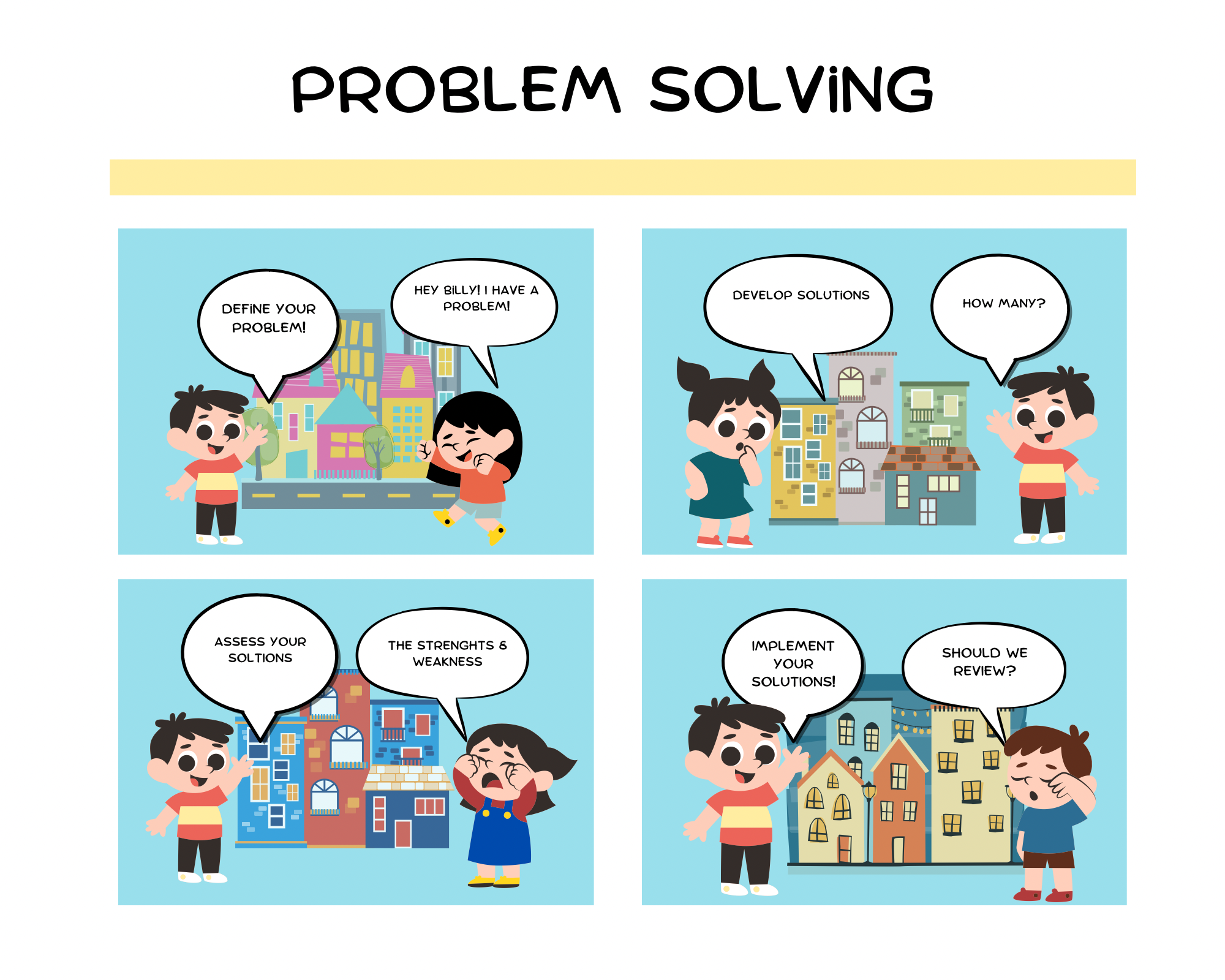
Teach Problem-Solving Skills.
Problem solving is a method that will be very important for young people to develop throughout the developmental stages of growth. As adults we can tell when our peers, co-workers and more have not properly learned to how problem solve effectively and how it creates difficulties in adulthood. This is why it is highly important for anyone that works with young people to help with building problem solving skills.

Building SMART Goals.
You can use this method for any type of goal — personal, family, peers, financial, academics and more. You can also use the SMART goal framework for short-term and long-term goals.