
Category
Tip 3: Consistency Creates Emotional Safety
Infants thrive on predictability. When care feels inconsistent or unpredictable, an infant’s nervous system remains on high alert.
Tip 2: Responding to Cries Builds Trust, Not Dependence
One of the most persistent fears caregivers carry is the idea that responding too quickly to an infant’s cries will “spoil” them or make them overly dependent.
Tip 1: Connection Comes Before Correction
Tip 1: Connection Comes Before Correction: The Foundation of Infant Mental Health
Why This Matters
One of the most common messages caregivers receive, often unintentionally, is that behavior needs to be corrected early. Fussing, crying, resisting sleep, or difficulty soothing are often viewed as problems to fix.
But in infant mental health, we understand something critical:
• Infants do not need correction. They need a connection.
• Before an infant can learn anything about behavior, boundaries, or regulation, they must first feel safe, seen, and emotionally held within a relationship.
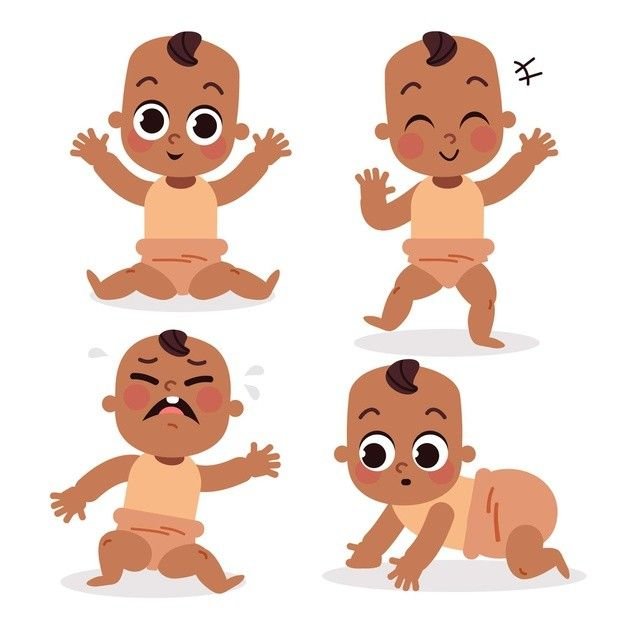
Baby Minds Matter: Understanding Infant Mental Health Symptoms
When we think of mental health, we often picture adolescents or adults—but did you know that infant mental health is just as important?
Infants may not talk or express emotions the way older children do, but they are deeply impacted by their environments, relationships, and early experiences. Infant mental health refers to the emotional and social well-being of babies from birth to age 3—and yes, even tiny babies can show signs of mental health challenges.
Let’s explore what those signs might look like, why they matter, and how parents and caregivers can help.